 AcrosstarBaZi consultations · 1:1
Give the comparison a deadline: the missing exit condition
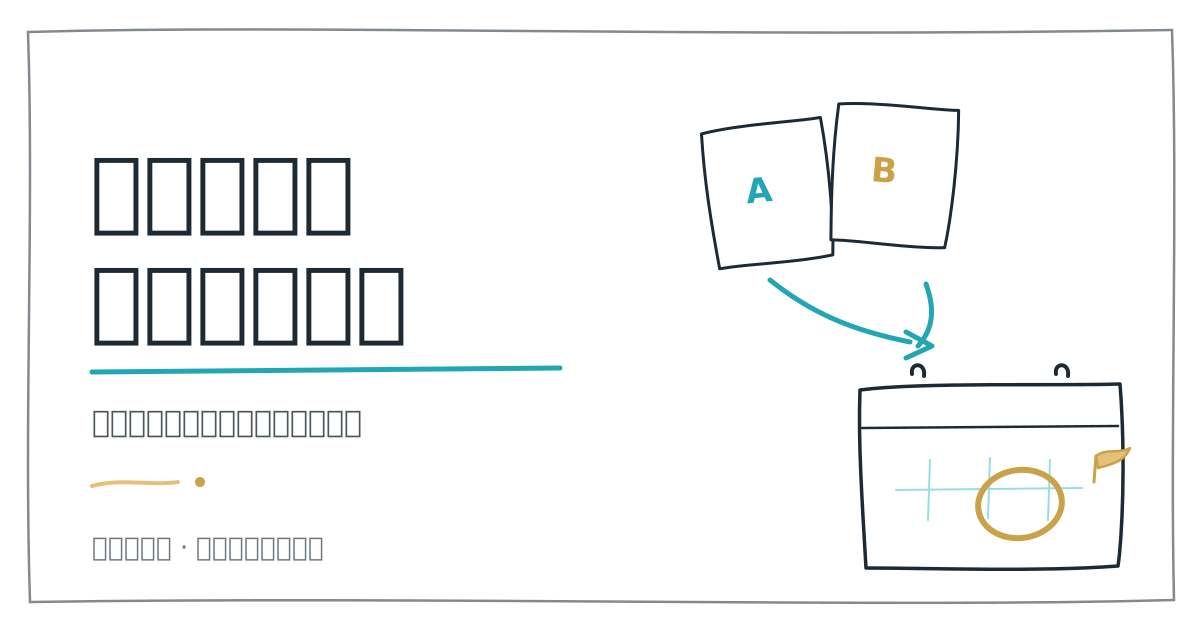
You want both options. So the decision drags on for weeks. The conclusion you reached this morning gets overturned by yourself at night, and the next day you start all over again.
Comparing isn't the problem. The problem is the stop condition. Your comparison is like a while loop with no exit condition written in: it runs once a day, produces nothing new, and runs again tomorrow.
Information has diminishing returns
Decision information follows a pattern: the first few days are the most useful, and each day after that buys less and less. The points you came up with at the start are usually the decisive ones. After that, what you're agonizing over is detail-level stuff — "ten minutes less commute" territory. Eventually you're not looking for new information at all. You're just rearranging the old information in a different order. You finish the forum threads, so you read the reviews. You finish the reviews, so you scroll through Q&A. What you dig up is all roughly the same, and nothing settles anything.
Engineers call this diminishing returns: the output approaches zero, but the anxiety doesn't diminish. "Let me think for one more week" sounds rational, but it's actually the most expensive kind of procrastination. What you're missing isn't more information. It's a stop condition.
Why can't you stop? Because both sides of the stalemate refuse to lose. Every new piece of information is a vote for your own side, and both sides are waiting for the other to flinch first. Nobody flinches, so the comparison ties forever. The root cause of not being able to stop isn't that you haven't figured it out yet — it's that nothing tells both sides: if there's no winner today, you choose today. That's what missing an exit condition feels like. It's like two processes each waiting for the other to release a lock. Neither is dead. Neither can move. Unless a timeout mechanism breaks the deadlock.
Here's a small everyday example. Buying a rice cooker. Two models, nearly identical features. Day one, you compare wattage. Day two, the inner pot. Day three, you dig through the negative reviews. Day four, you re-think the conclusion from day two. Two weeks later, the one you pick is probably the same one you leaned toward on day one. The extra thirteen days bought zero information. They only bought thirteen days of exhaustion.
The engineer version is worse. Choosing a framework: option A has the ecosystem, option B has the performance. You read docs for a week, run a few rounds of benchmarks. Then you flip back to the notes you took on day one — the conclusion was already there. The next seven days were just the same conclusion dressed up in different arguments. In code, that's redundant computation: the input didn't change, so the result won't change. Only the elapsed time is real.
Four steps to turn the comparison into a finite task
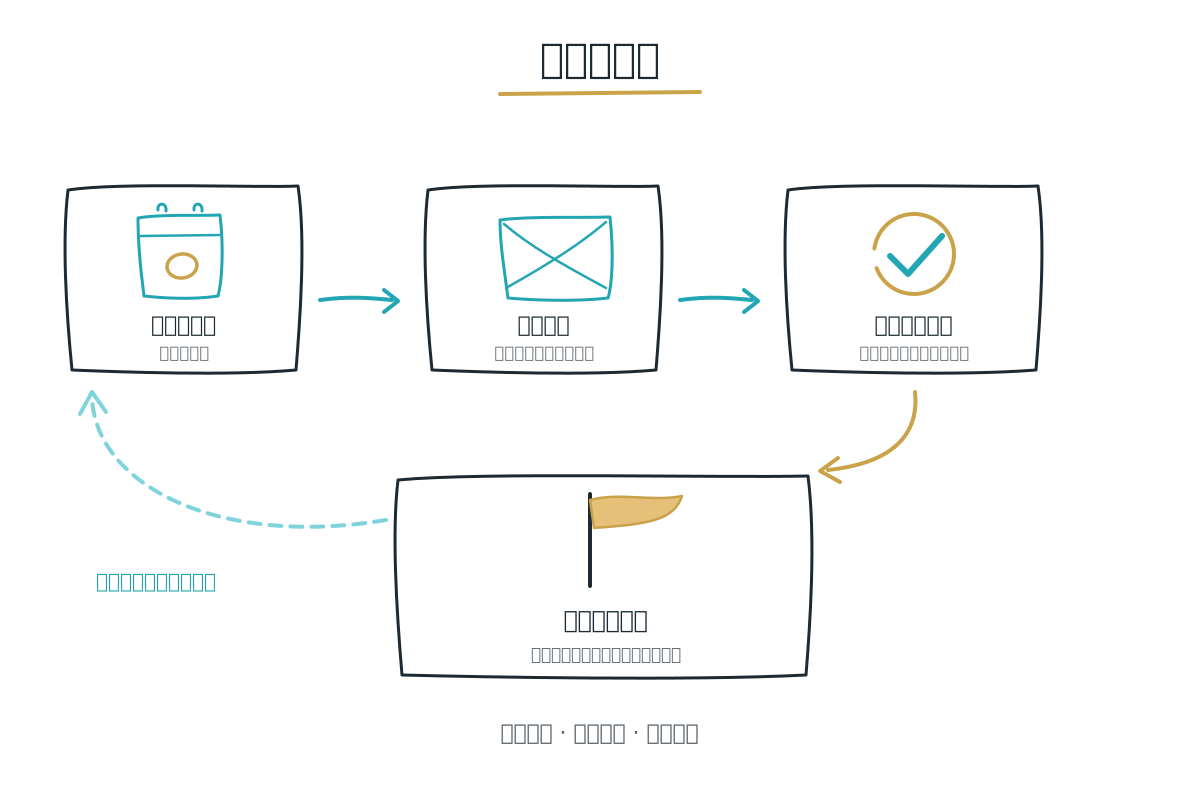
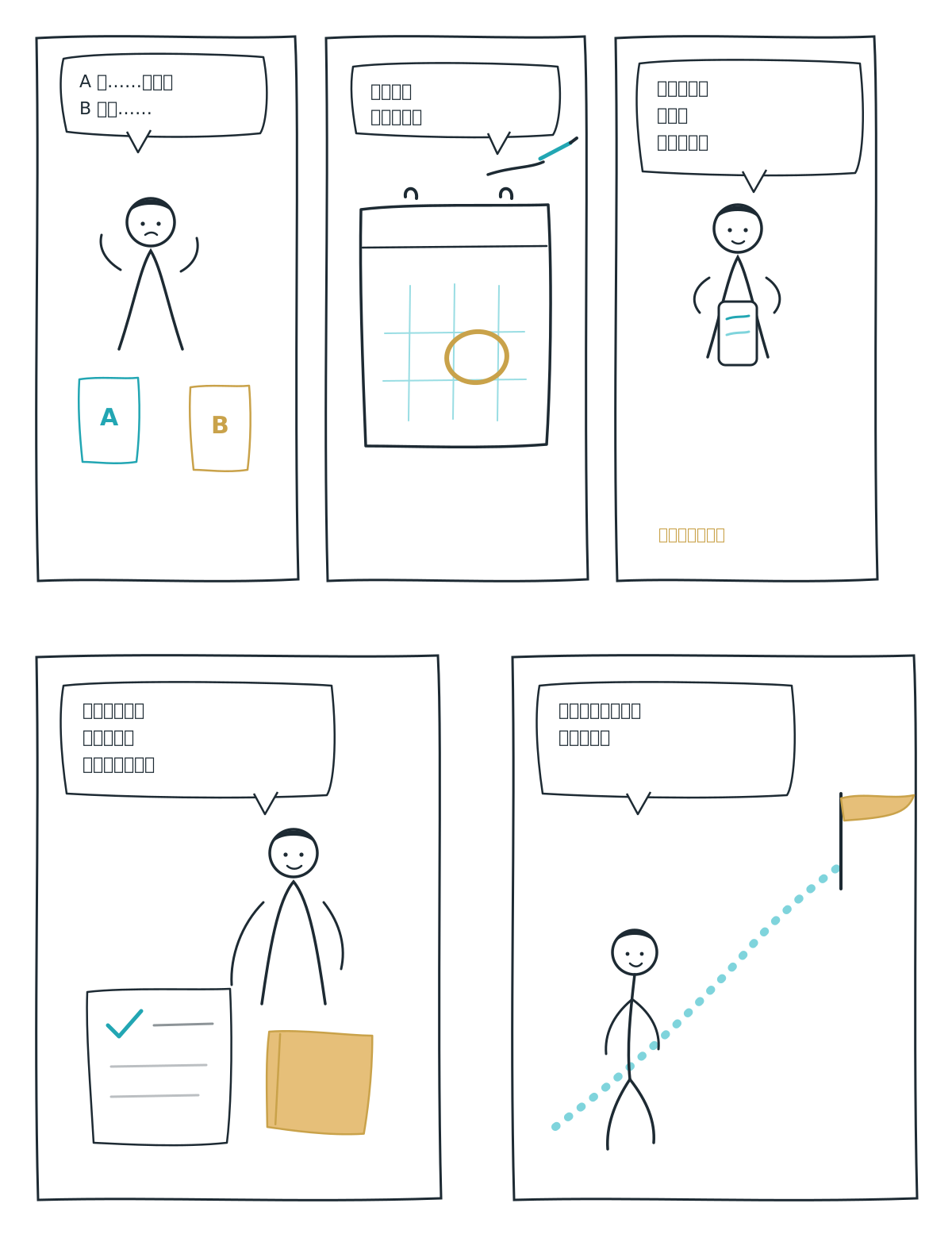
Step one: write down the deadline. Open your calendar, pick a date no more than two weeks out, and write it down. For most two-way stalemates, two weeks of additional information is plenty. Past two weeks, you're mostly walking in circles. Writing it down matters: it turns "think about it more" into a specific date. "Decide later" floating around in your head is vague. November 30 on a calendar is concrete. Vague plans rarely get executed; a concrete date has to be dealt with when it arrives. Don't dismiss this step as ceremony — every engineer knows a ticket with no deadline sits in the backlog forever and nobody touches it.
Why does "writing it down" work? Because in your head, a deadline is "find a time to decide soon," and that thought scatters the moment you get busy, then returns the moment you're idle. It never makes it onto the schedule. Once it's on the calendar, it becomes an item in your scheduling system, just like a meeting with someone else — it'll pop up and remind you at the right time. Words on paper or on screen don't forget, don't get emotional, and don't push things back because you're tired today. Decisions fear "can be handled anytime," because that usually means never handled.
Step two: before the deadline, you're allowed exactly one new piece of information. One piece, not one category. If you still can't choose once you have it, the remaining gap isn't something information can close. Stop looking. It can be one conversation, or one specific question asked of one specific person. After that, you go back to waiting, with nothing appended. Why limit it to one? Because "do a little more research" has no scale — it's a bottomless pit the moment you start. One is countable. What you can count, you can stop.
Step three: on deadline day, decide with what you already have. Spread out what you've written. Make two columns, one per option: which option's cost you can already live with, which one you've mentioned more often, which side's downside you genuinely can't tolerate. Choose. Write it down. Close the thread. Note that you're choosing the "acceptable" option, not the "perfect" one. No new wisdom appears out of thin air on deadline day — the information in your hands is all there is. You're allowed to feel weird about it afterward. Feeling weird is normal. Feeling weird doesn't mean you chose wrong.
Why write it down and close the thread? Because a verbal decision doesn't count — your brain treats it as if it never happened. The moment it's written down, the item flips from "in progress" to "done," and only then does your brain free up the resources for the next thing. Same as code: it counts once it's committed. Uncommitted changes can be rolled back at any time.
Step four: schedule a review day. Pick a day two to three months after the deadline and put it on the calendar. The review day isn't for regretting — it's for collecting feedback: how's this path working out, which parts of your original judgment turned out right, which parts wrong. Until then, you don't reopen the question.
The review day is the most valuable component in this whole system. Without it, the deadline is just a dead line, and "what if I chose wrong" hangs over you indefinitely. With it, choosing wrong becomes an experiment with a time limit: two or three months later you calibrate with real experience instead of torturing yourself with imagination on repeat. It turns "choosing wrong" — the biggest fear — into a verifiable check you can actually run. And every review teaches you more about where your own judgment pattern tends to skew. That's the thing you really keep.
What do you actually do on review day? Simple: look at the outcome, compare it against your notes, and record one sentence. Which prediction held up, which one went completely sideways, and why. When you write, look at the reasons you wrote down back then — don't rewrite history based on how you feel now. That's exactly the setup step three's "write it down" prepared. Then it's over: no blame, no rehashing old accounts. It's a lightweight postmortem. The goal is to make the next decision cheaper than this one — not to prove this one wasn't wrong.
What the deadline changes
Is the choice made this way guaranteed to be right? No. A deadline can't guarantee you picked the better option, and neither can any method. What it does is far more modest: it puts a cost cap on the comparison, and pairs it with a review day. Finite investment, correctable, choose once, walk a stretch, collect one round of feedback, then decide what's next.
There's another shift beyond the comparison itself: in most two-way stalemates, the real gap between the two options is far smaller than the time cost you've already paid. Admitting that is letting yourself let go. The deadline demotes the question from "background noise" to "a scheduled task." Without a deadline, it runs in the background twenty-four hours a day — you think about it over dinner, you think about it before sleep, and it consumes all of your time. With a deadline and a review day, it takes up two boxes on the calendar, and the rest of your days belong to you again.
Look at it from another angle: continuing to compare has a cost, and you pay it every single day. Attention, sleep, and everything else being dragged along behind. The deadline doesn't help you choose more accurately. It helps you stop paying these invisible bills.
One thing you can do today
Open your calendar right now. Find a day no more than two weeks out, create an event, and name it "Decide it." You don't need to know which one you'll pick first — the event only covers sitting down and deciding on that day, not what gets decided. Then, for the rest of today, give yourself permission to stop comparing.
Acrosstar offers cultural readings and structured analysis based on Chinese BaZi (Four Pillars), for self-reflection and decision support. It describes tendencies, does not predict events, promises no specific outcome, and is not medical, psychological, legal or financial advice. For major decisions, consult a licensed professional in that field. For adults 18+ only.
Want your own situation drawn as a map?
Start with a free topic check: describe your question and we reply whether it suits a reading and which tier fits.