 AcrosstarBaZi consultations · 1:1
Four conditions from the Kaogongji: season, place, material, skill
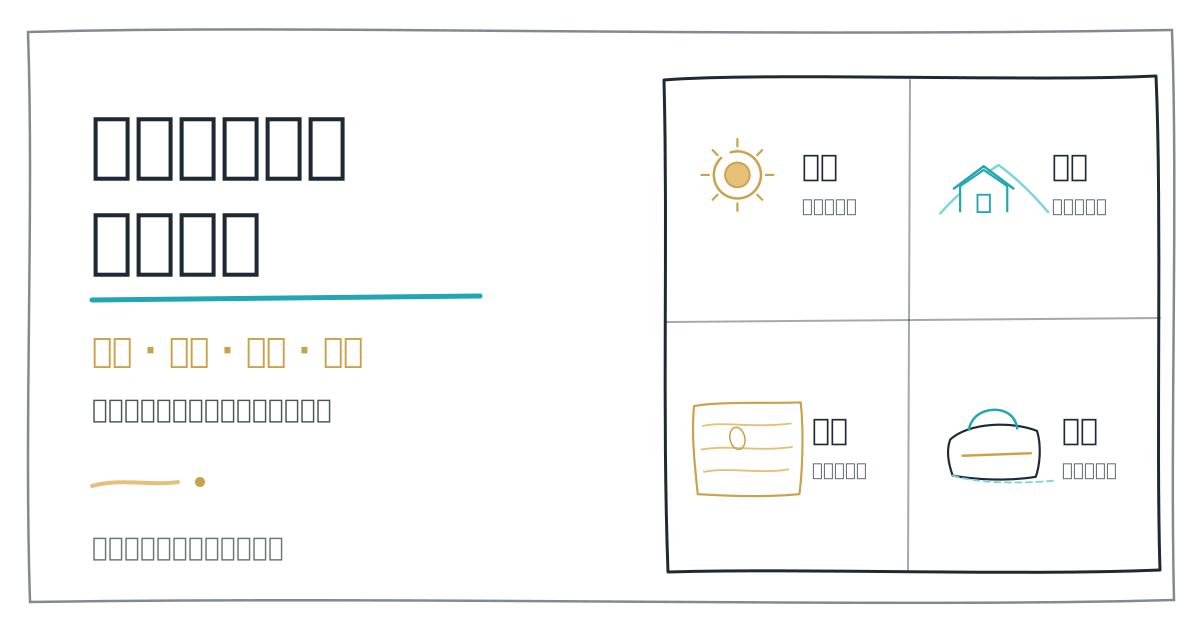
An old Chinese craft manual, the Kaogongji — the "Record of Trades," written more than two thousand years ago and later folded into the Rites of Zhou — contains one very practical line: "Heaven has its seasons, earth has its energies, materials have their beauty, craft has its skill. Only when these four come together can something be made well."
It sounds like workshop talk. In fact it is a checklist. And its most valuable part is the implication hiding in the second half: if one of the four is missing and the work turns out badly, the failure may not be your skill at all. That reminder is still useful today.
Checking the four conditions over a pot of rice
Let's translate the four lines into four modern questions first: Is the timing right? Is the environment working with me? Is the material good enough? Is my craft up to it? Now take a small everyday task — say, a person trying to cook a good pot of rice — and check it against the list.
First, season, or timing. Cooking rice in summer is not the same as cooking it in winter. In summer the grains soften after ten minutes of soaking; in winter they may need half an hour. When timing is off, the same effort buys less. Imagine someone opening a small shop: a Monday morning and a Saturday evening are two different businesses, and which day you launch on shapes how the first month feels. This is not mysticism — it is the old experience of seasons and daily rhythms: wait when it is time to wait, move when it is time to move.
Second, place, or environment. The same rice cooks differently at different altitudes. On a plateau, water bubbles and rolls before it ever reaches a full boil, and the rice comes out half-done. For a shop it is even more visible: the same cooking skill, placed at a market entrance versus the ground floor of an office building, faces completely different foot traffic. When the environment does not cooperate, personal effort gets spent fighting the environment. Reading the environment is not resignation — it is saving effort: knowing which parts can be changed and which ones you simply route around.
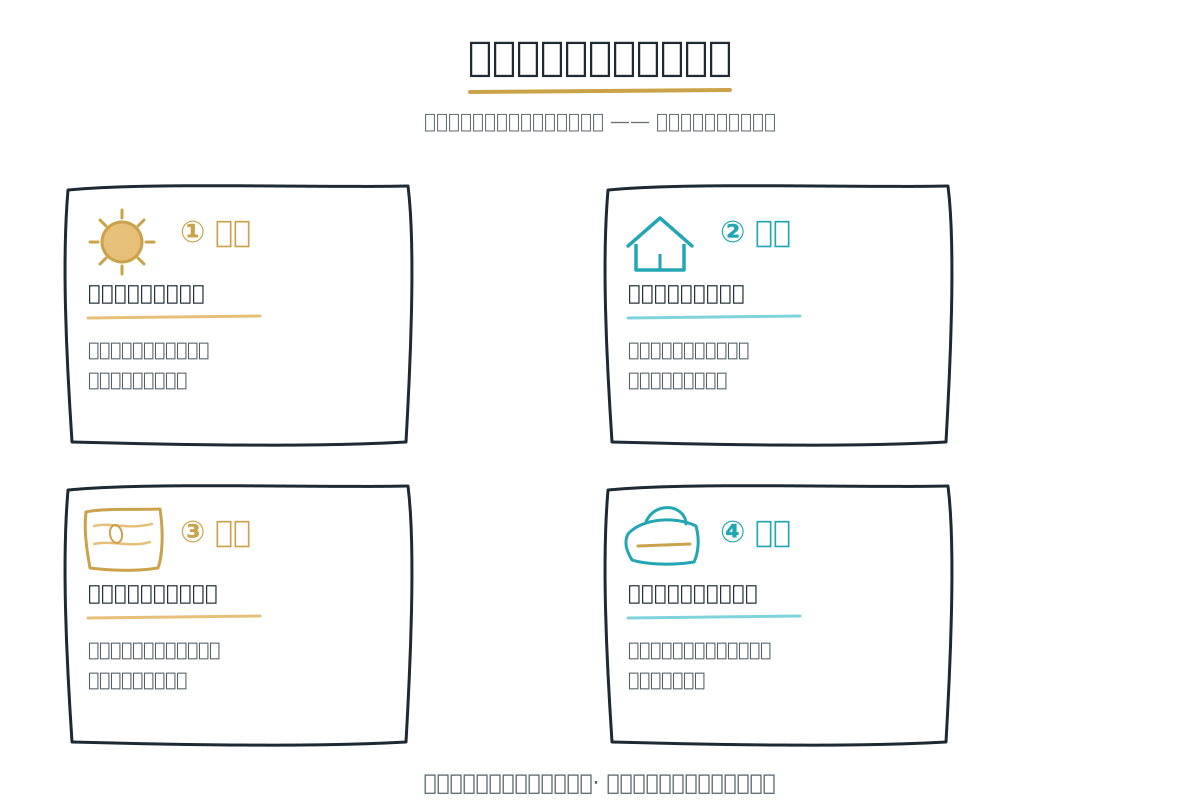
Third, material. Rice stored too long has lost its moisture and cooks up loose and dry no matter what you do; fresh rice smells good almost by itself. Carpenters know this line best: a plank with a hidden crack, planed perfectly flat, will still split some winter after it becomes furniture. When the material is poor, craft takes the blame for it. Checking your inputs is far cheaper than blaming yourself.
Last comes skill — and note that it comes last. How many times to change the rinsing water, how long to soak, the ratio of water to rice, how many minutes to let it rest before lifting the lid: all of this can be trained. Skill has one distinguishing feature among the four: it is almost entirely under your own control. Seasons are managed by a calendar, place by a map, material by a budget. Only skill has to be built by doing the thing, over and over.
When one is missing, don't blame the skill first
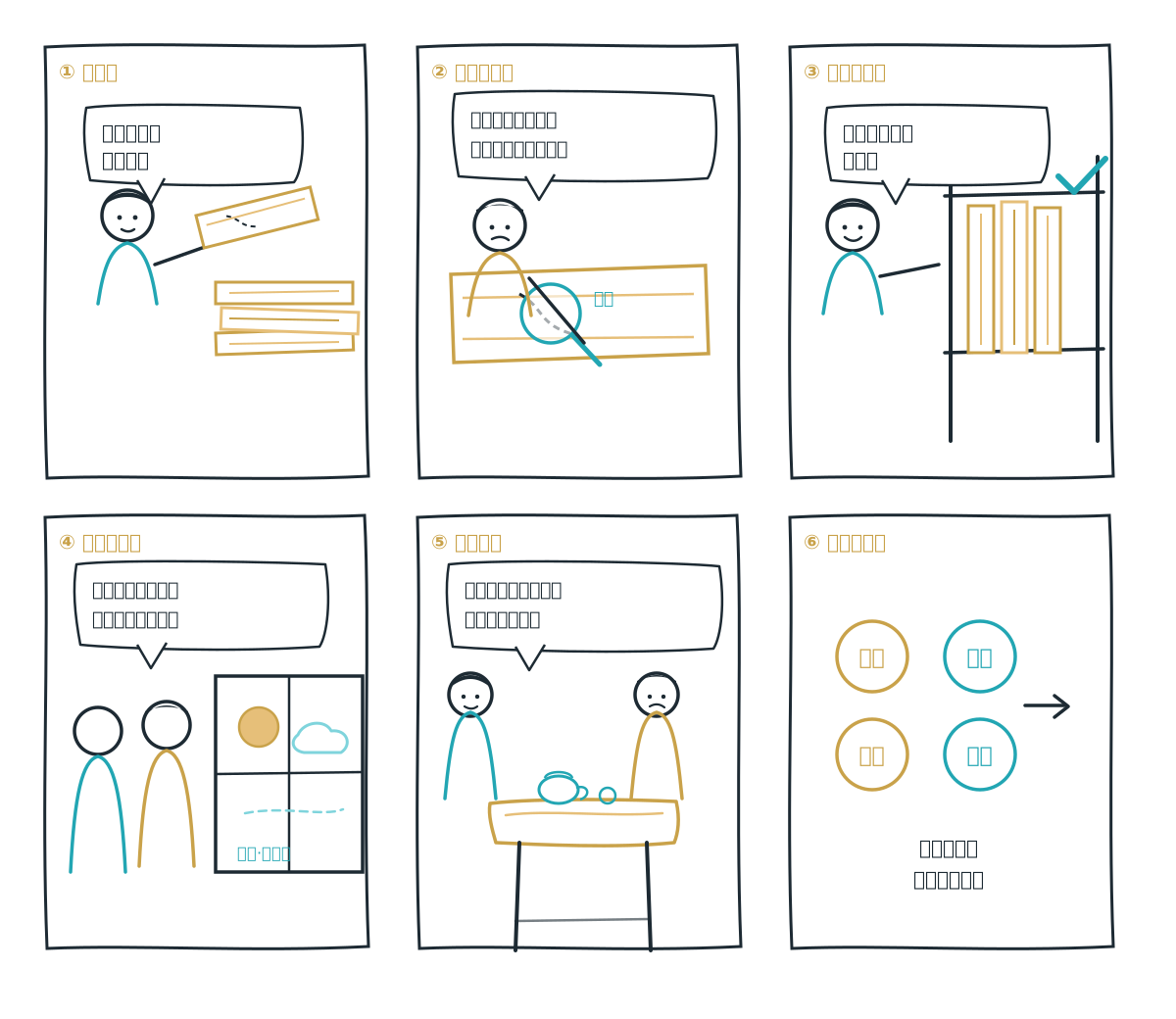
When the four come together, only then can something be made well. Read in reverse, the sentence is even more useful: when the result is bad, don't rush to blame your craft. Walk the checklist instead. Was the timing wrong? Was the environment working against it? Was the material simply at that level? A ruined pot of rice is usually not a technique problem — the rice was just too old. A delayed project may have run into a holiday freeze, or an external service may have been down for maintenance. Neither one proves the team is no good.
Engineers know this pattern by heart. When a service times out, check the network before the code. When rendering looks wrong, check the data before the component. A seasoned debugging habit is to leave "I'm the problem" for last in the list — because it is the most expensive conclusion. Once you accept it, you stop looking. The other three conditions usually have concrete, fixable answers: wait two days, change locations, change materials. All of them cost less than talking yourself down.
None of this is an excuse to skip the practice. Craft still has to be trained. If you abandon the one condition you actually control, you void the whole checklist. The real point is the order: check environment and material first, then train the skill — and don't let "training the skill" become a hiding place from the other three. Picture someone with a bad pot and stale rice who studies steaming techniques every day, works terribly hard, and still produces bad rice. His problem is not in his hands. It is in his inputs.
The checklist has one more use: reading other people's results. When someone does something well, don't see only their skill. They very likely also picked the right timing, the right setting, and the right material. Learn from them with all four lines in view, not just the last one; otherwise you may end up blaming yourself for a copy that was unlikely to hold.
One thing you can do today
Pick one small thing that has not gone well lately — a meal, a presentation, a skill you have practiced for ages without progress. Take a sheet of paper and write the Kaogongji's four lines as four questions: Was the timing right? Was the environment cooperating? Was the material good? And only then: which part of my craft could improve, even slightly? When you finish writing, you may well find at least one column whose answer is different from what you assumed.
Acrosstar offers cultural readings and structured analysis based on Chinese BaZi (Four Pillars), for self-reflection and decision support. It describes tendencies, does not predict events, promises no specific outcome, and is not medical, psychological, legal or financial advice. For major decisions, consult a licensed professional in that field. For adults 18+ only.
Want your own situation drawn as a map?
Start with a free topic check: describe your question and we reply whether it suits a reading and which tier fits.