 AcrosstarBaZi consultations · 1:1
The solar terms follow the sun
Here's a common mix-up.
A lot of people assume the solar terms belong to the lunar calendar, and since the lunar calendar follows the moon, the terms must follow the moon too. The Mid-Autumn Festival falls on the fifteenth day of the eighth lunar month every year; it sounds consistent: the moon goes through one cycle, that's a month, and the terms, presumably, work the same way.
They don't. The twenty-four solar terms have no direct tie to the moon. They follow the sun.
The terms are measured by the sun
The ancient observers watched the sun's position against the background of stars.
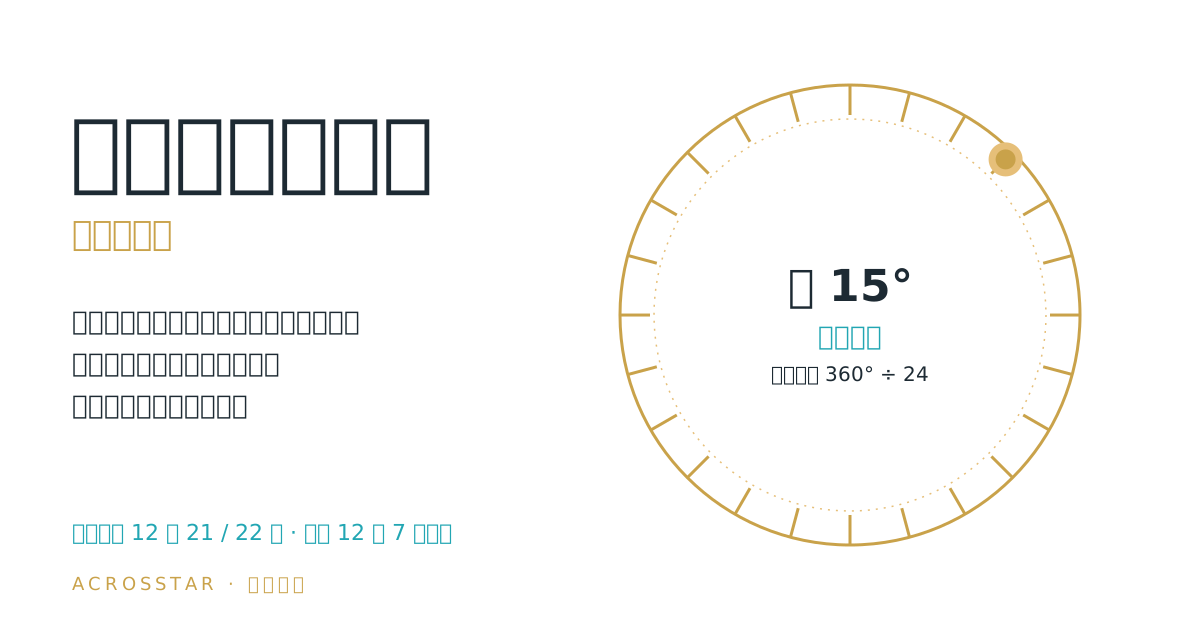
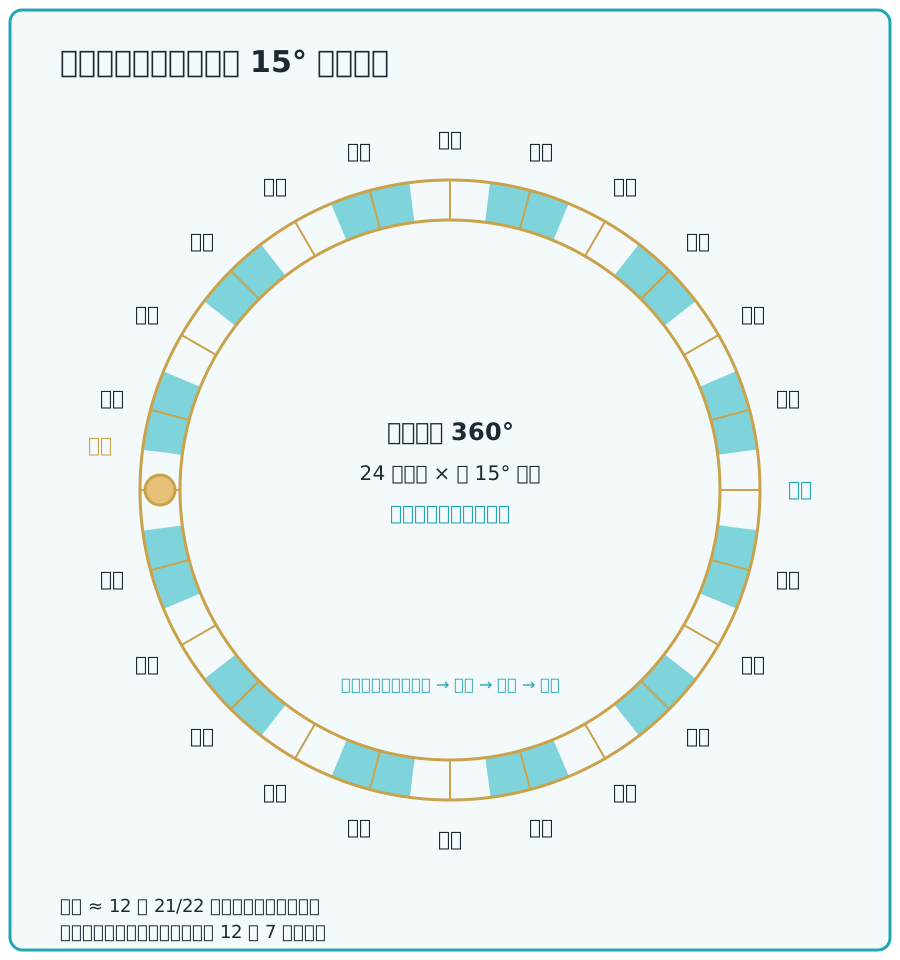
Over the course of a year, the sun traces a great circle across the sky, a path Chinese astronomers called the ecliptic. At first the year was simply cut into twenty-four equal spans of time; from the Qing dynasty's Shixian calendar onward, a new term began each time the sun moved fifteen degrees along the ecliptic, and that is the method today's calendars use. In that system the spring equinox serves as the zero-degree reference; fifteen degrees further along is the Pure Brightness term, fifteen more is Grain Rain, and the sequence runs through the winter solstice and Great Cold until the full circle of three hundred sixty degrees is complete.
How did early observers track the sun at all? The method was plain: plant a pole in the ground and watch its shadow. The shortest shadow marks the summer solstice, the longest the winter solstice. No telescopes, no clocks, just patient year-by-year record-keeping, until the sun's annual path was well enough known to be cut into twenty-four slices.
So the terms were not counted by moon phases. They were measured by the sun's position. Next time someone says the terms follow the moon, hand them two calendars and let the winter solstice speak for itself.
Why the dates barely move on the solar calendar
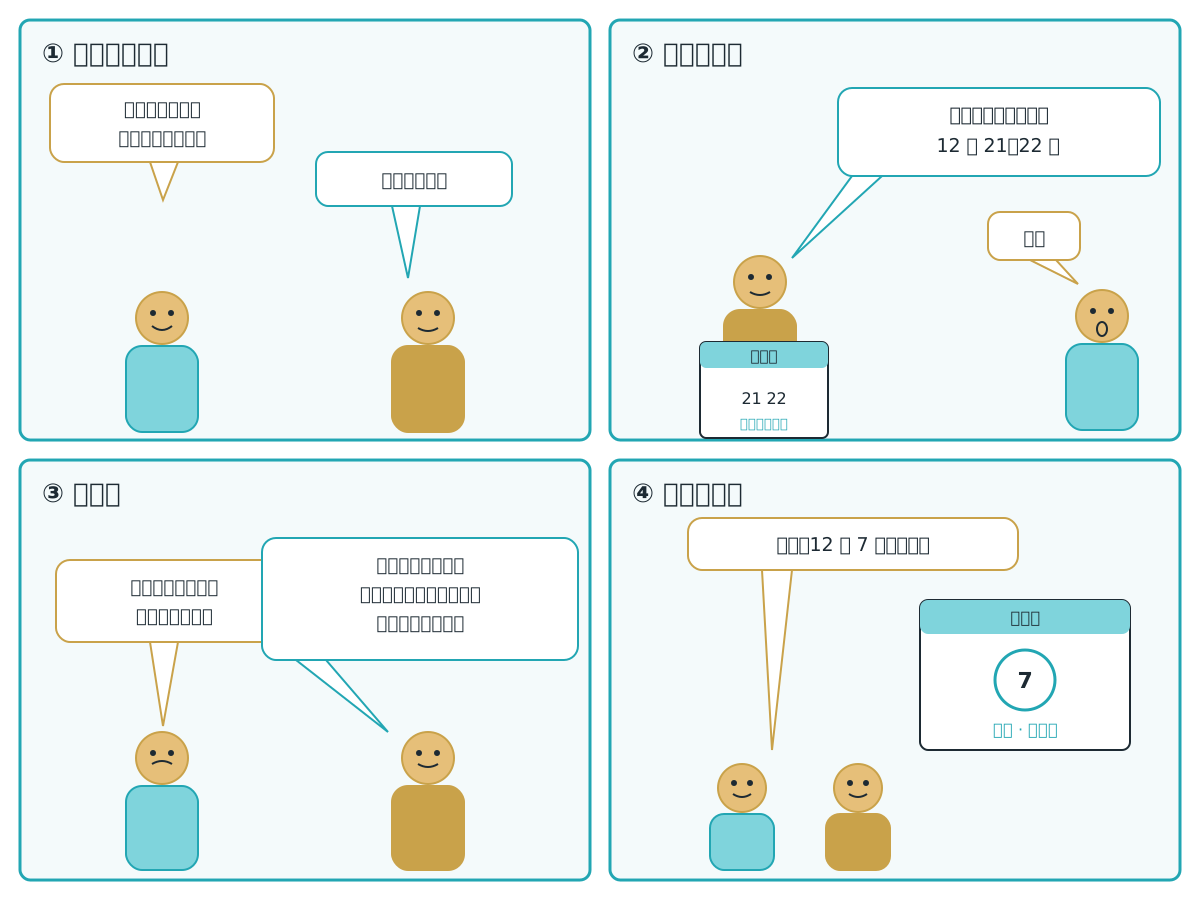
The winter solstice lands on December 21 or 22, every year, shifting by at most one day. The summer solstice sits around June 21. Pure Brightness falls on April 4 or 5. Whatever years you check, they hold steady in those slots, as if nailed down.
Here's a direct comparison. The Mid-Autumn Festival jumps around on the solar calendar: late September one year, early October the next, a span of a full month. The winter solstice stays rooted, guarding the same two days at the end of December. One follows the moon, the other follows the sun; lay both calendars side by side and you can see which is which.
The lunar-calendar dates are the ones that move: last year's winter solstice fell early in the eleventh lunar month, this year it may land mid-month. The same moon phase lands in a different spot of the solar cycle every year.
Think of it another way: the solar calendar is itself a sun-based calendar, its year built on one full orbit of the Earth around the sun. Two systems measuring the same thing agree; the one-day wobble comes from the orbit not being a whole number of days, with leap years mopping up the remainder.
If the terms followed the moon, none of this would hold. A lunar month is about twenty-nine and a half days, which doesn't line up with a solar month, so purely lunar festivals drift across the solar calendar, sliding more than ten days each year.
The lunar calendar is actually a combined system
This is where the Chinese calendar needs a proper explanation. Everyday speech calls it a lunar calendar, but strictly speaking it's a lunisolar calendar: two systems joined together.
Which two?
The months follow the moon. From one new moon to the next is one lunar month, twenty-nine or thirty days: no moon on the first, full moon on the fifteenth.
The solar terms follow the sun. The twenty-four terms mark which fifteen-degree segment of the ecliptic the sun has reached, and ancient farmers used them to schedule sowing, harvesting, and storing food. Why is Pure Brightness both a solar term and the tomb-sweeping day? Its date stays put on the solar calendar, which makes it practical for planning, and over time the node took on a second job.
The trouble is, twelve lunar months add up to about three hundred fifty-four days, roughly eleven days short of a solar year. Left alone, the first month would drift into summer within about a decade. The ancient fix was direct: every two or three years, insert an intercalary month to give the time back, with the solar terms deciding which month gets the leap.
So the calendar is an assembled system: the moon governs the months, the sun governs the year, and the leap month keeps the two aligned.
A spot where people often go wrong
Someone might ask: on the day of the term Major Snow, should it actually snow heavily?
Not necessarily. A term's name describes the weather trend of that period: when the sun reaches this position, the season should be heading in this direction. The sun's position is reliable; which day the snow actually falls is a separate matter — which, once again, shows what the terms measure.
A side note
In 2016, the Twenty-Four Solar Terms were inscribed on UNESCO's Representative List of the Intangible Cultural Heritage of Humanity. The full title of the listing says it plainly: knowledge in China of time and practices developed through observation of the sun's annual motion. The sun, not the moon.
One thing you can do today
Open your calendar and find the days around December 7. That's Major Snow, the third solar term of winter. Draw a circle on that day, and when it arrives, notice how early the dark closes in. No need to memorize the terms: they follow the sun and show up on schedule, every year.
Acrosstar offers cultural readings and structured analysis based on Chinese BaZi (Four Pillars), for self-reflection and decision support. It describes tendencies, does not predict events, promises no specific outcome, and is not medical, psychological, legal or financial advice. For major decisions, consult a licensed professional in that field. For adults 18+ only.
Want your own situation drawn as a map?
Start with a free topic check: describe your question and we reply whether it suits a reading and which tier fits.