 AcrosstarBaZi consultations · 1:1
The quiet after saying no
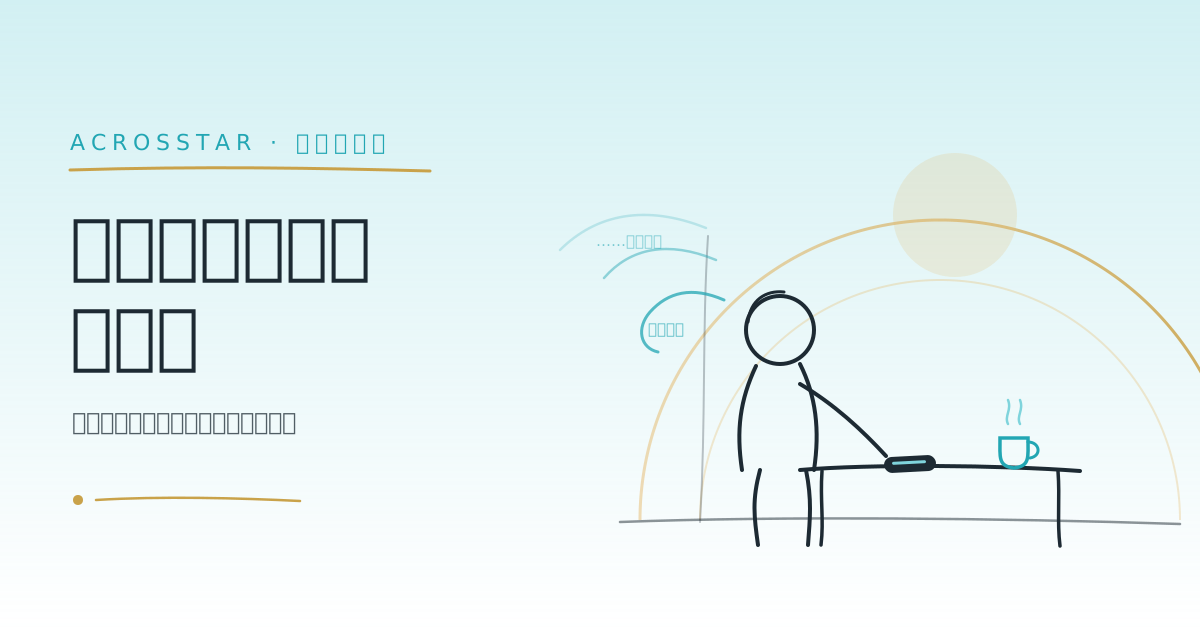
You said no. It is settled. And yet something in you still feels unsettled, like half a sentence stuck in your throat.
The room goes quiet. The call is over, the message is read, and the other person has not replied. You stare at the screen as if waiting for something, though you could not say what. This silence is often harder to sit in than the argument itself.
At this point many people hear a voice. It is small but persistent: Were you too harsh? Are they hurt? Maybe explain a little, or just take it back, so the air can clear. We call this the echo of guilt. An echo repeats. The same sentence circles you, and each lap urges you once more: do something, hurry, end this discomfort.
The echo asks you to take it back.
But there is another kind of quiet, the quiet of checking in. It does not push. It simply asks you to pause and look back at what just happened: which request did I decline, where does my boundary sit, how am I feeling right now. When you do this, the noise slows down, and for the first time you can hear what you actually mean.
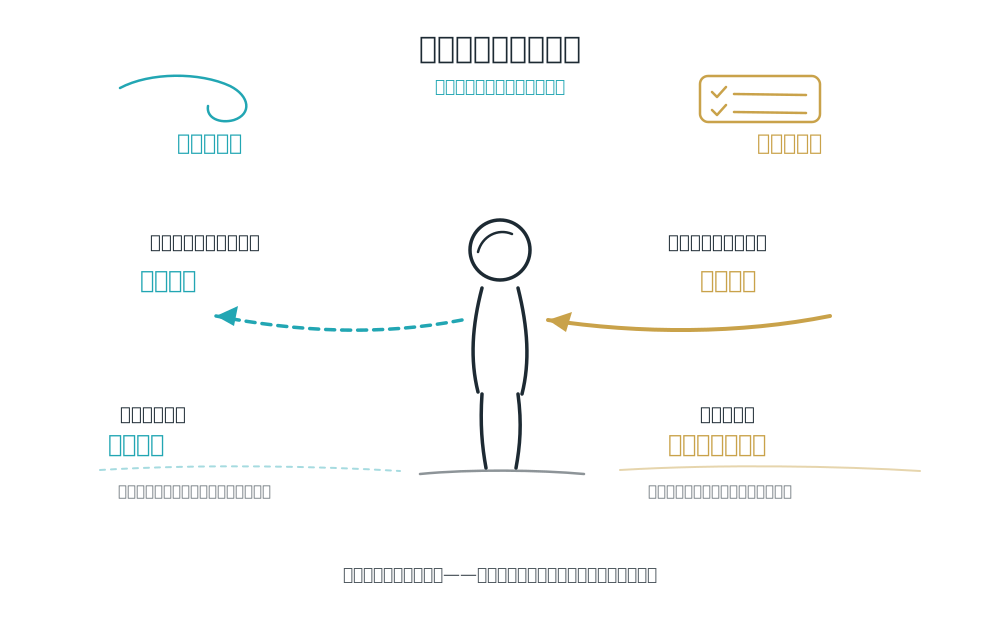
The echo pulls you away from yourself. The checking brings you back.
The two feel alike, but they point in opposite directions. If you cannot tell them apart, you may treat the echo as the answer and retract in a hurry, right when space is what you need most. Or you may mistake the checking for coldness and keep explaining yourself long past the point.
So what can you do after saying no?
One gentle option: take nothing back and add no reasons yet. Say one short sentence, such as "I can't agree to this right now. I need some time to think." It is not an attack and not an apology. It simply states where you stand. Then let it sit there.
The other person may be disappointed, or may press with questions. You do not have to pile up justifications right away. The harder you try to prove you are right, the faster a simple boundary turns into a debate.
If the echo comes back, bring your attention to the body: breathing, shoulders, the cup within reach. Give yourself a few minutes, or an entire evening. As the quiet becomes familiar, you may notice it is not a punishment but a space, one where you can hear what you really want.
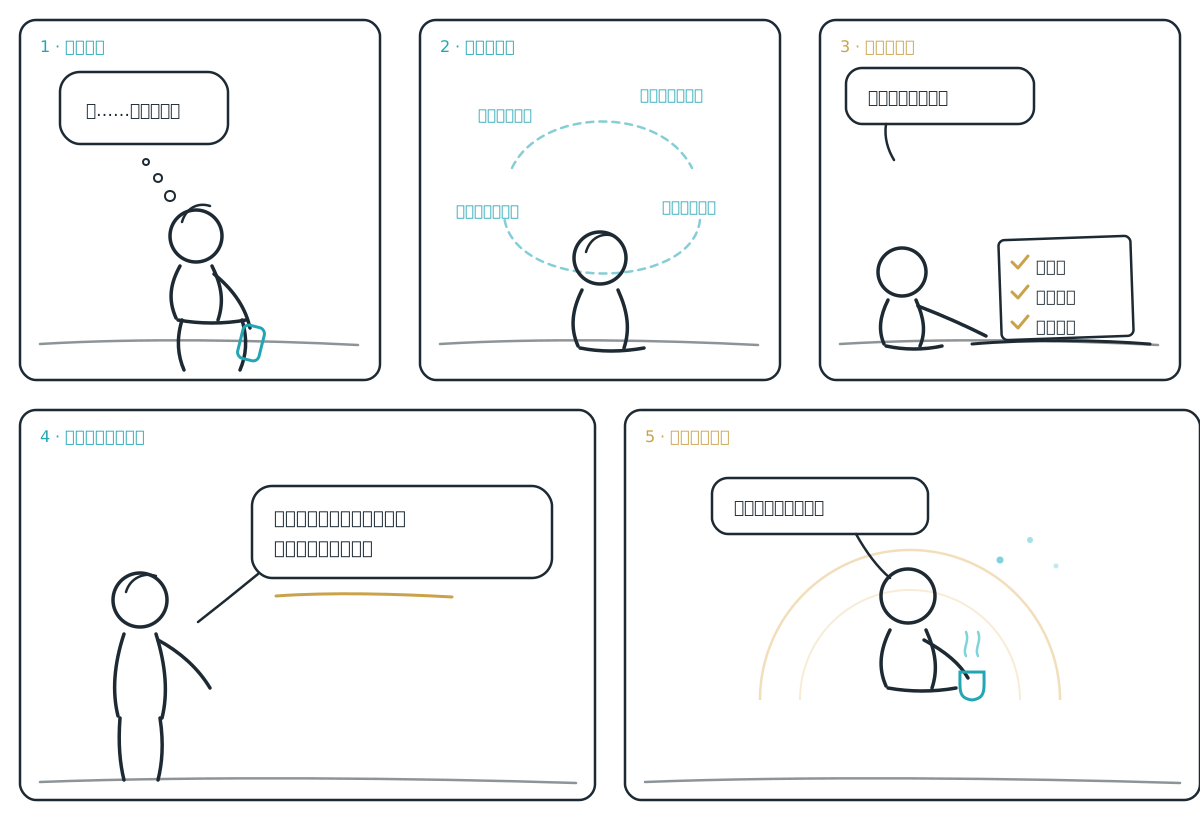
This kind of quiet needs no one to admit fault, and no winner. It only reminds you: no is a complete sentence. After saying it, you are allowed to stay in the quiet for a while.
You can try it tonight. Say no to one small thing, then put your phone down for ten minutes. Just ten.
Acrosstar offers cultural readings and structured analysis based on Chinese BaZi (Four Pillars), for self-reflection and decision support. It describes tendencies, does not predict events, promises no specific outcome, and is not medical, psychological, legal or financial advice. For major decisions, consult a licensed professional in that field. For adults 18+ only.
Want your own situation drawn as a map?
Start with a free topic check: describe your question and we reply whether it suits a reading and which tier fits.