 AcrosstarBaZi consultations · 1:1
Su Shi in Huangzhou: rebuilding ordinary days
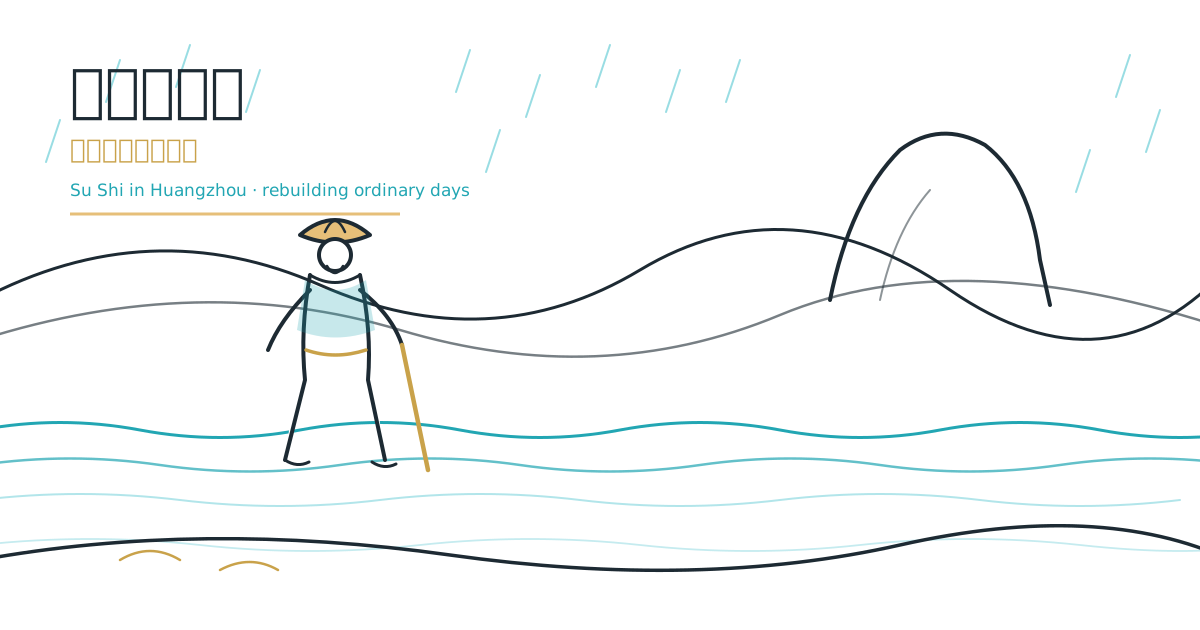
In 1080, Su Shi arrived in Huangzhou. Not long before he had been one of the best-known writers of his day; the Crow Terrace Poetry Case left him with a hollow title, a meager stipend, restrictions on his movements. His whole household followed him to this backwater. He was forty-three, and the road ahead looked broken.
What do you do after your situation falls apart? His answer: start with the small things at hand.
A slope of land
East of town lay an idle slope of land. His old friend Ma Zhengqing asked the prefecture to grant him this old camp ground, and the family turned the soil: wheat, rice, vegetables, fruit trees. He named it "Dongpo," Eastern Slope, and took a matching name for himself: Lay Buddhist of the Eastern Slope.
This wasn't a hobby; it was livelihood. When he first arrived, he told a friend in a letter how he budgeted: each month's money split into thirty strings hung from a beam, one taken down each morning, any leftover saved for guests. In a good year the family ate from their own fields. A man of letters with rolled-up sleeves, calluses on his hands, mud on his shoes.
But the field gave more than food. Mornings in the soil, noon home, evenings reading and writing — the day regained a fixed shape. The life that had been knocked apart got rebuilt, one hoe-stroke at a time.
Mid-plot he built a few rooms, one painted with snow scenes: Snow Hall. In winter friends came to sit and talk, fed from field and pot. Officially he was serving a sentence; in practice the little courtyard saw a steady stream of visitors.
Cooking
Huangzhou had one cheap thing: pork. Good pork sold for almost nothing — wealthy families looked down on it, poor families didn't know how to cook it. Su Shi did: little water, a slow fire, and when the time is right the meat turns tender on its own. He wrote it into the "Ode to Pork": Huangzhou's good pork, he jokes, is as cheap as dirt — plain words, close to a recipe.
Slow-simmered pork cannot be rushed. Turn up the heat, let the water boil away, and the meat turns stringy. A person in a low stretch of life needs this same patience of a small steady flame: don't count on a one-day turnaround; do a little each day, and make the days taste like something.
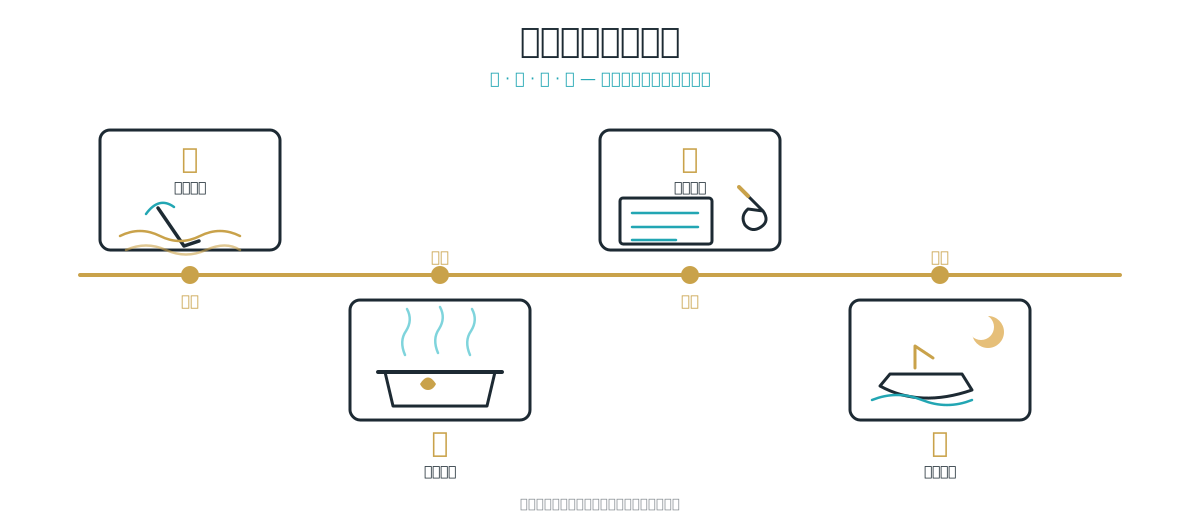
Writing
The Huangzhou years produced many of his best-known works.
East of town stood Red Cliff. On an autumn night he rowed to mid-river with friends, moon rising over the eastern mountains, and wrote the first "Ode to Red Cliff." Lines from it are still quoted: white dew spreads across the river, water-light meets the sky; the ode lets "a single reed" of a boat drift where it will, and a person looks small on such water. Three months later, in early winter, he went back with two guests, wine, and a freshly netted fish, climbed the cliff alone at the end, and wrote the second ode. The same river, two odes: an autumn night on the water, a winter night on the rocks.
He wrote ci too. At the cliff, thinking of the Three Kingdoms battle some eight centuries earlier (this Red Cliff may not be the actual battlefield; his own line says only "people say"), he wrote "Recalling the Past at Red Cliff": "The great river flows east, its waves washing away the celebrated figures of ages past" — and, midway, the scene itself: jagged rocks piercing the sky, startling waves beating the shore, rolling up a thousand heaps of snow. The mountains stay; the people change.
None of it was planned. Farm, cook, see friends by day; write at night when a feeling came. Most of it was notes to himself and friends: tonight's moonlight, the taste of the pork, those steps in the rain. Writing was a fixed part of his days, not an extra task.
A walk in the rain
One scene from these years he set down in a ci.
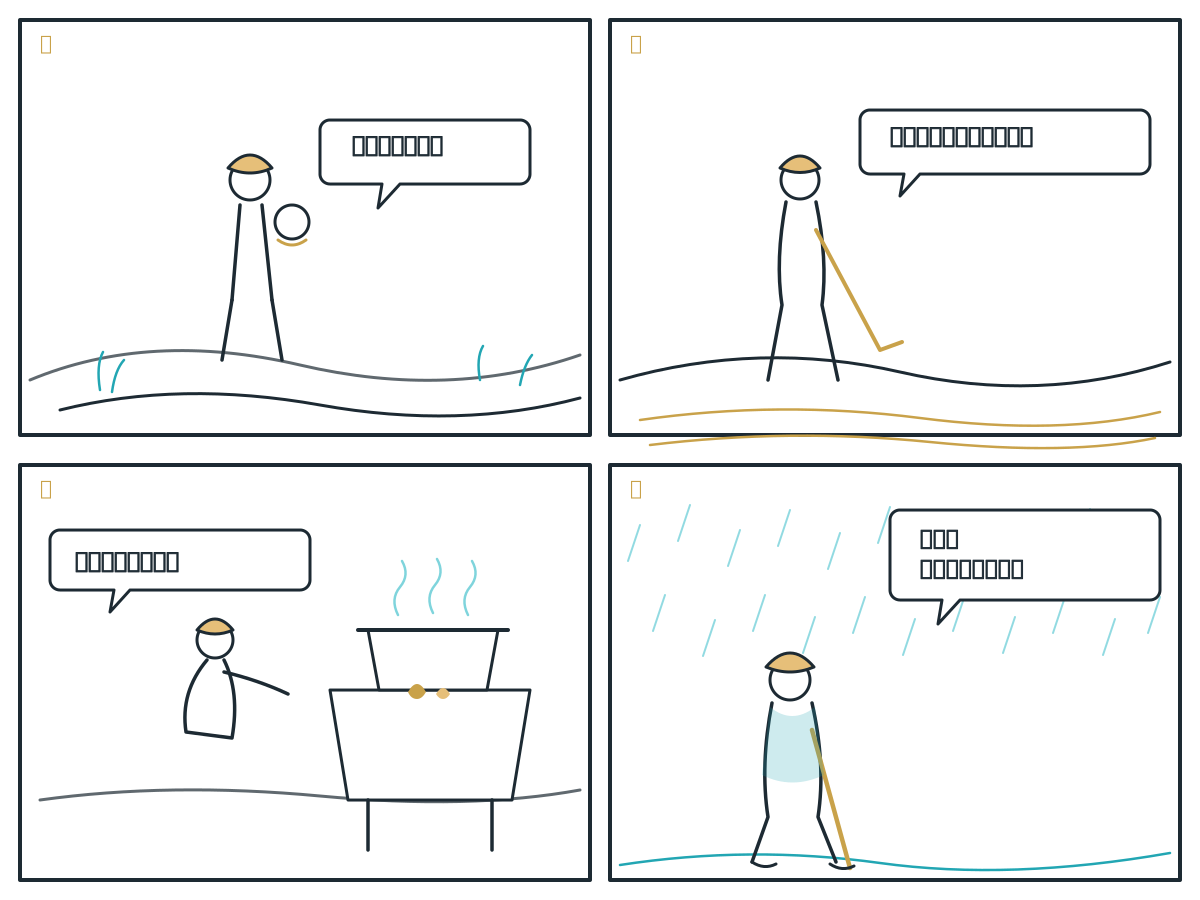
Out on a trip, rain caught him. The rain gear had gone ahead, and his companions were drenched and miserable. He didn't bother — you can't really hide anyway — and walked on, humming. When the rain stopped he wrote "Calming the Waves": don't heed the rain that rattles through the forest; why not hum a tune and stroll at ease. And in the middle, roughly: a bamboo staff and straw sandals, lighter than a horse — who cares? One rain-cloak; let the rain fall as it likes for the rest of my life. It ends: "neither wind and rain, nor clear sky."
The tone isn't bravado; it's looseness. His situation hadn't improved and the rain hadn't stopped — he simply found himself a rain-cloak. The cloak, for him, was the slope of land, the pot of pork on a small flame, the desk where he spread paper at night.
Days are built, not found
Look back at the Huangzhou years: not one big thing was a "comeback." He did what each stage allowed — first food on the table, then somewhere for the mind to rest — and the words came almost on their own.
When your situation gets scrambled, it's easy to stare at "when will things get better?" Su Shi asked a different question: is the field turned, is the pork on the fire, did tonight's lines get written. The big question can't be answered; the small ones can. Answer the small ones, and the days stand back up. His letters reported more than hardship: new fields, new rooms, pork in the pot — the small news of a life run in earnest.
He had known smoother years before Huangzhou, and a longer exile after. Yet people can hardly speak of Su Shi without these four years. Perhaps here the famous writer became Dongpo — a man willing to live his days in concrete detail.
One thing you can do today
Today, make one small thing just for yourself. A dish, a page of handwriting, a bit of mending. It doesn't need an audience and doesn't need to go anywhere. It doesn't have to be good — done counts. Like Dongpo: do the one small thing in front of you, and do it solidly.
Acrosstar offers cultural readings and structured analysis based on Chinese BaZi (Four Pillars), for self-reflection and decision support. It describes tendencies, does not predict events, promises no specific outcome, and is not medical, psychological, legal or financial advice. For major decisions, consult a licensed professional in that field. For adults 18+ only.
Want your own situation drawn as a map?
Start with a free topic check: describe your question and we reply whether it suits a reading and which tier fits.